Common Bird and Bat Problems in Warehouses, Factories, and Plants
Local service providers can help address common bird and bat problems in warehouses, factories, and plants by safely removing pests and preventing future infestations.
Many warehouses, factories, and plants often face common bird and bat problems that can impact operations and property integrity. Birds may seek shelter in rafters or vents, while bats tend to roost in dark, undisturbed areas, leading to issues such as debris buildup, noise, and potential health concerns. Property owners in the area who notice signs of these pests can benefit from understanding the risks and exploring practical solutions. Connecting with experienced service providers can help address these challenges effectively, ensuring that the property remains safe, clean, and compliant with local regulations.
Local contractors specializing in bird and bat removal offer targeted strategies to manage these common problems. They can evaluate the property to identify entry points and roosting spots, then implement humane exclusion methods to prevent future infestations. Whether it’s sealing gaps, installing deterrents, or safely removing existing wildlife, these professionals provide the expertise needed to handle bird and bat issues in industrial settings. Keeping these pests at bay not only protects the facility’s operations but also helps maintain a healthy environment for staff and visitors alike.
- Bird exclusion - when birds invade warehouse rafters or ledges, local contractors implement humane removal and sealing methods to prevent future nesting.
- Bat removal - in cases where bats roost inside factory walls or ceiling spaces, service providers use specialized techniques to safely remove colonies and block entry points.
- Bird deterrent installation - warehouses experiencing ongoing bird problems benefit from local pros installing physical barriers or deterrents to keep pests away.
- Bat proofing - factories facing persistent bat issues can rely on service providers to identify entry points and establish barriers to prevent re-entry.
- Pest prevention consultation - for ongoing issues with bird and bat problems in plants, local experts offer strategies to minimize attractants and maintain pest-free environments.
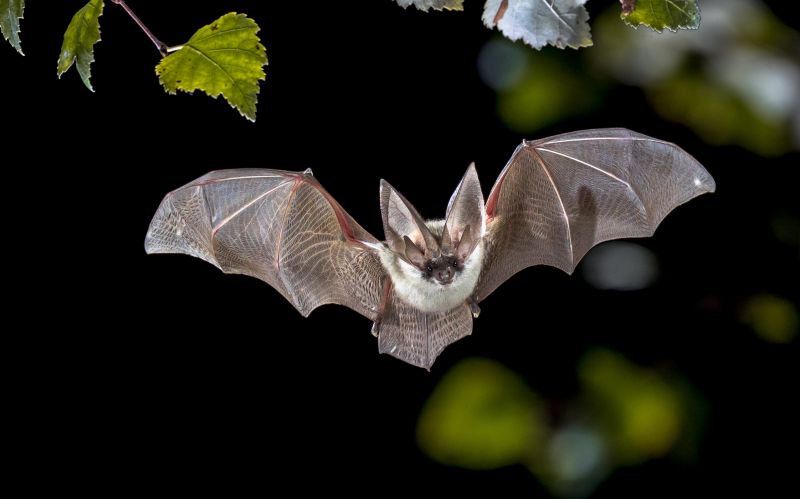
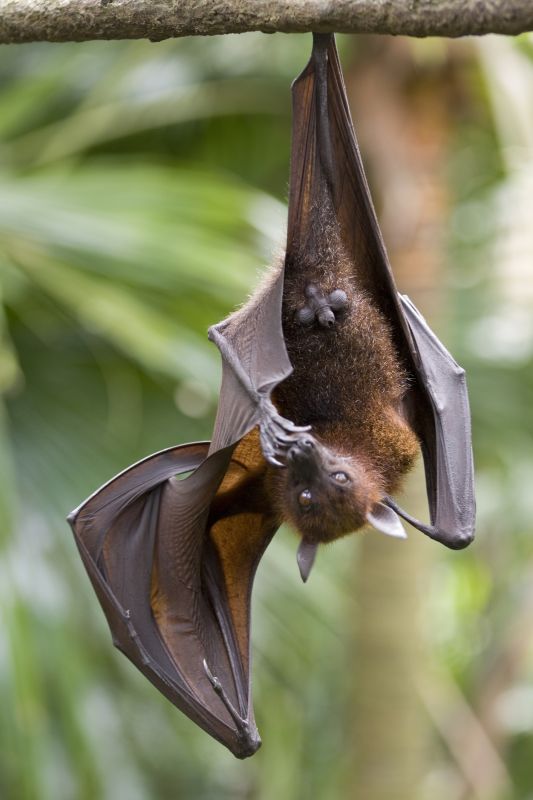
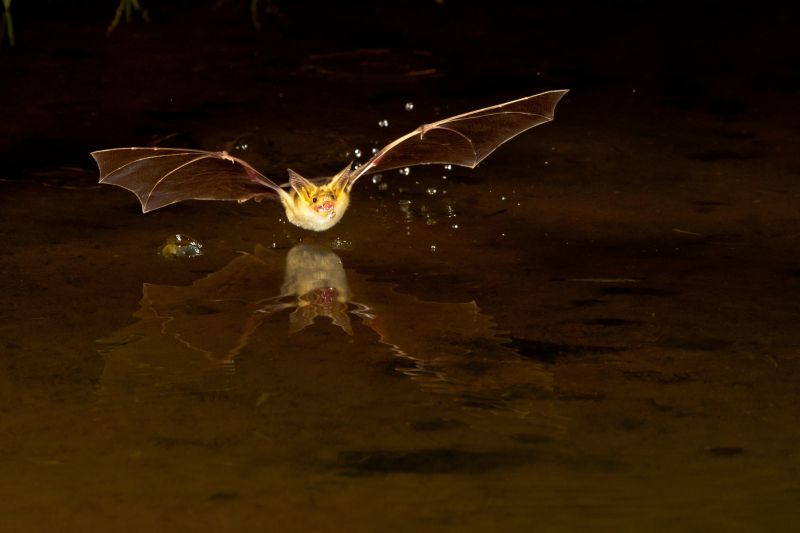
Understanding common bird and bat problems in warehouses, factories, and plants is essential for property managers and business owners who want to maintain a safe and hygienic environment. When searching for this topic, many are typically concerned about how these animals can create health hazards, cause property damage, or disrupt daily operations. Birds and bats often seek shelter in large industrial structures, especially in areas with open rafters, ventilation openings, or unused spaces. These searches usually relate to issues like nesting, droppings accumulation, noise, and the potential spread of diseases, making it important to address these problems promptly and effectively.
The problems associated with birds and bats in commercial properties often involve nesting behaviors that lead to significant debris buildup, which can clog ventilation systems or create slip hazards. Droppings from these animals are not only unsightly but can also corrode building materials and promote mold growth. Additionally, nests built in hard-to-reach areas can block access points or ventilation ducts, reducing airflow and impacting indoor air quality. Business owners may also be concerned about the presence of bats, which can roost in dark, secluded corners and pose health risks through the spread of parasites or diseases. These issues highlight the need for strategic plans to remove the animals safely and prevent future problems.
The types of properties that typically come up in discussions about these problems include warehouses, manufacturing plants, distribution centers, and industrial facilities. These structures often feature large, open interior spaces, high ceilings, and numerous entry points that make them attractive habitats for birds and bats. Storage areas, loading docks, ventilation shafts, and roof eaves are common nesting sites. Because of the scale and complexity of these properties, addressing bird and bat issues usually requires specialized techniques and equipment. Local contractors experienced in bird and bat removal can assess the property, identify problem areas, and implement humane exclusion methods that prevent animals from returning.
For property owners and managers, understanding the role of local service providers is crucial. These professionals are equipped to handle the removal of birds and bats safely and efficiently, ensuring that animals are relocated or excluded without harm. They can also help with sealing entry points, installing deterrents, and cleaning up droppings to restore safety and hygiene. Engaging local pros ensures that the problem is addressed comprehensively, reducing the likelihood of recurring issues and minimizing disruptions to business operations. Properly managing bird and bat problems in warehouses, factories, and plants ultimately supports a cleaner, safer environment and helps maintain compliance with health and safety standards.
Building inspection projects involve identifying structural vulnerabilities that allow birds and bats to enter warehouses, factories, and plants, similar to how pest exclusion services address entry points for birds and bats.
Wildlife exclusion and sealing projects focus on blocking access points and preventing bird and bat problems in commercial facilities, sharing planning and installation skills with bird and bat removal services.
Bird and bat habitat modification projects aim to reduce attractants like roosting sites in industrial settings, aligning with the strategies used in managing bird and bat problems in large structures.
Pest proofing and preventative maintenance projects involve installing barriers and deterrents to keep birds and bats out of warehouses, similar to the methods used in bird and bat exclusion services.
Structural repair projects address damage caused by bird and bat activity, requiring skills in assessing and restoring building integrity, which overlaps with bird and bat problem mitigation efforts.
Wildlife removal and relocation projects involve safely removing birds and bats from industrial environments, paralleling the techniques used in bird and bat control services for large facilities.
When evaluating service providers for bird and bat removal in warehouses, factories, and plants, experience with similar projects is a key factor to consider. Local contractors who have handled common bird and bat problems in commercial settings are more likely to understand the unique challenges posed by large industrial spaces. They will be familiar with the types of birds and bats that typically cause issues, as well as the most effective methods for humane removal and exclusion. Prior experience can also indicate familiarity with the structural features and access points common to warehouses and manufacturing facilities, helping ensure the job is completed efficiently and thoroughly.
Clear written expectations are essential for a successful partnership with a service provider. When comparing local contractors, it’s helpful to review detailed descriptions of the scope of work, including inspection procedures, removal techniques, and any follow-up or prevention measures. A reputable provider should be able to communicate their approach in straightforward terms, helping to prevent misunderstandings and ensuring that both parties are aligned on project goals. Having a well-defined plan in place also allows for better assessment of the provider’s professionalism and transparency.
Reputable references and strong communication are vital indicators of a dependable service provider. When considering options, it’s beneficial to seek out reviews or testimonials from previous clients who have had similar bird and bat problems in industrial environments. Good communication throughout the process-including prompt responses to questions and clear updates-can make the entire experience more manageable. Service providers who prioritize open dialogue and provide comprehensive information are more likely to deliver a smooth, effective solution for addressing common bird and bat issues in warehouses, factories, and plants.
Property owners often search for common bird and bat problems in warehouses, factories, and plants when they are planning practical projects around their homes and businesses. Local pros provide Bird and Bat Removal services for everyday jobs and straightforward project options.
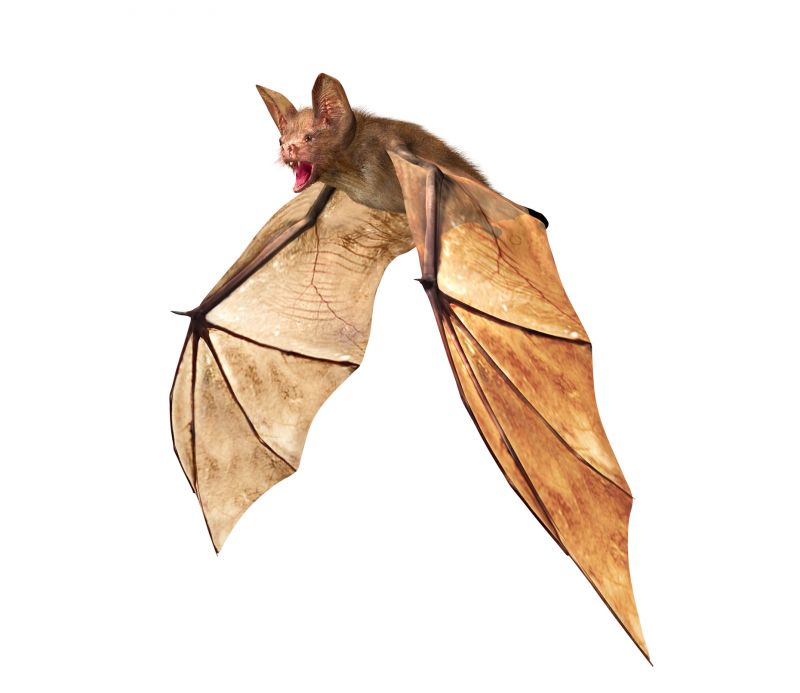
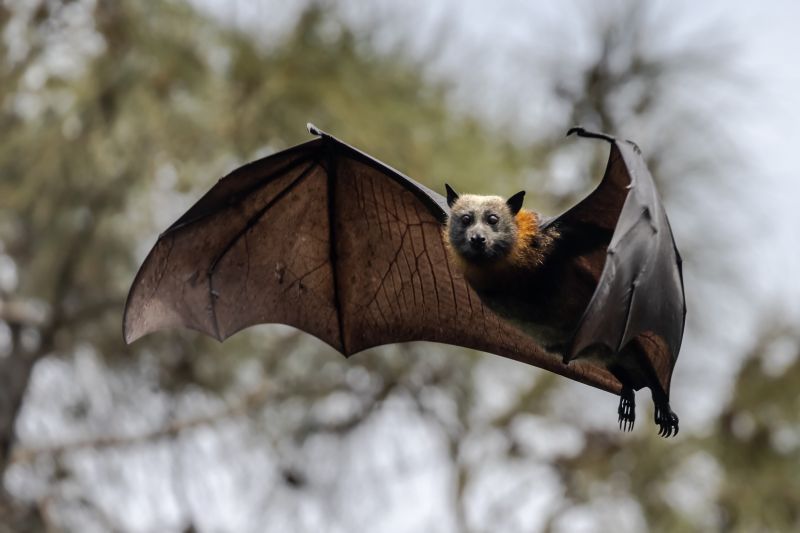
Many property owners in Warehouses, Factories, and Plants encounter common bird and bat problems that can disrupt operations and cause damage. Birds and bats often seek shelter in large, open structures, leading to issues like nesting, droppings buildup, and noise disturbances. These animals can also create safety hazards by blocking vents or entry points, which may impact ventilation systems or create fire risks. When such problems arise, property owners frequently look up simple explanations and solutions, often considering bird and bat removal services offered by local contractors who specialize in humane and effective exclusion methods.
Understanding the causes behind bird and bat issues helps property managers recognize the importance of professional assistance to resolve these problems efficiently. Local service providers can assess the specific situation, identify entry points, and implement targeted removal and exclusion strategies. This ensures that the property remains safe, clean, and operational without the ongoing nuisance or potential health concerns associated with these animals. Consulting with experienced local contractors is a common step for property owners seeking reliable solutions to manage and prevent bird and bat problems in their facilities.
What are common bird and bat problems in warehouses, factories, and plants? Birds and bats often create issues such as nesting, droppings buildup, and entry points that can lead to structural damage and sanitation challenges.
How do birds and bats typically enter these facilities? They usually gain access through open vents, gaps in roofing, or damaged building openings that provide easy entry for these animals.
Why is it important to address bird and bat problems promptly? Addressing these issues quickly helps prevent health hazards, reduces cleaning and maintenance costs, and minimizes potential damage to property.
What types of services do local contractors offer for bird and bat problems? They provide removal, exclusion, and prevention services to safely remove animals and prevent future entries into warehouses, factories, and plants.
Can local service providers help with ongoing prevention of bird and bat problems? Yes, they can install barriers and sealing solutions to help keep these animals out and reduce the likelihood of recurring issues.
Identify entry points - property owners can work with local contractors to locate and seal gaps or openings that birds and bats use to access warehouse spaces.
Install deterrents - applying bird spikes, netting, or other barriers can prevent birds and bats from roosting in problem areas, with guidance from local service providers.
Remove existing colonies - professional removal services can safely and humanely evacuate birds and bats from the premises, reducing health and safety risks.
Implement ongoing monitoring - establishing regular inspections helps property owners detect new issues early and coordinate with local pros for prompt solutions.
If you are thinking about common bird and bat problems in warehouses, factories, and plants for a property, this guide is meant to help you understand this topic, the typical project types, and how different options might fit your plans.
When you are ready, you can use the quote form on this page to share a few details about your project. From there, local pros can review the basics and follow up with options that match what you have in mind.